Sustainability
Solar and Energy Efficiency for Kenyan Commercial Buildings
Chaschase Enterprise Ltd · 30 June 2026 · 6 min read
Kenya has some of the best solar resource in the region, and grid tariffs make on-site generation genuinely attractive for commercial and institutional buildings. But we regularly see panels installed on buildings that would have saved more, for less, by fixing demand first.
Start with demand, not supply
Before sizing an array, understand the load. Lighting, air conditioning, water heating and pumping usually dominate. Reducing those loads shrinks the system you need to buy — and every kilowatt you avoid is cheaper than a kilowatt you generate.
- LED lighting with zoning, daylight sensors and occupancy control.
- Solar water heating or heat pumps in place of electric resistance heating.
- Efficient, correctly sized HVAC rather than oversized units cycling badly.
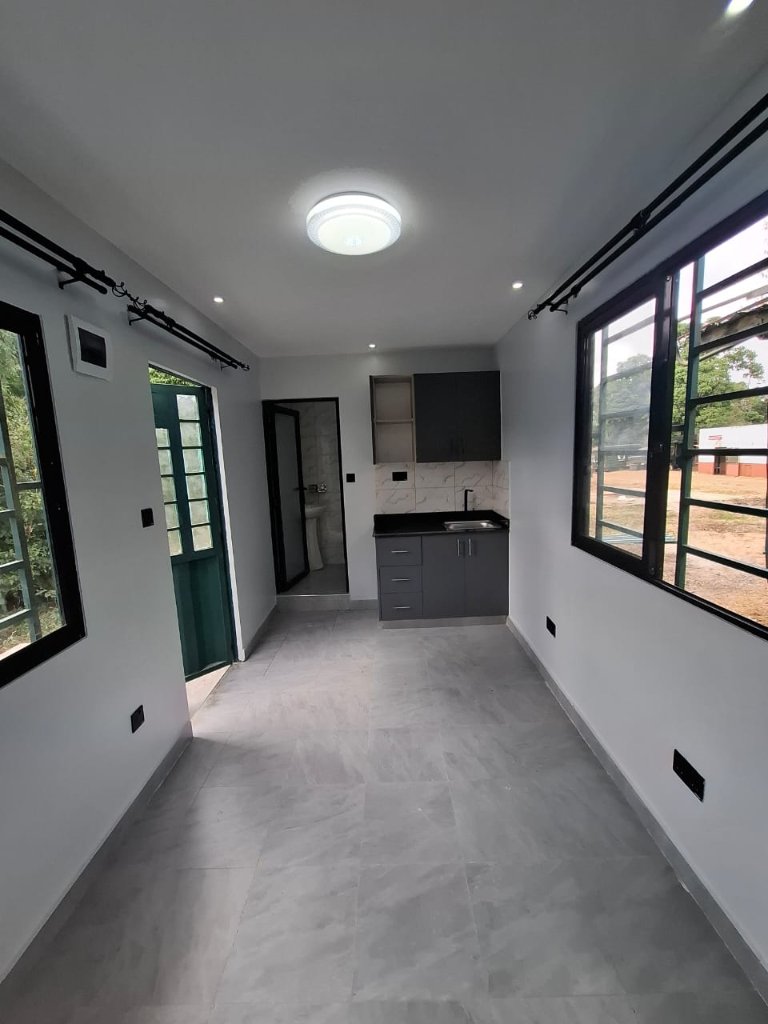
- Passive measures — orientation, shading, cross-ventilation, insulated roofs.
Then size the system honestly
A useful system matches generation to your actual daytime consumption profile. Schools, offices and clinics with strong daytime demand often achieve excellent returns without any storage at all. Add batteries where continuity of supply has real operational value — cold chain, medical equipment, security, data.
Specification quality matters as much as capacity: mounting suited to your roof structure, correctly rated protection and isolation, cable routing planned rather than improvised, and monitoring so performance can be verified rather than assumed.
Sequence it with the build
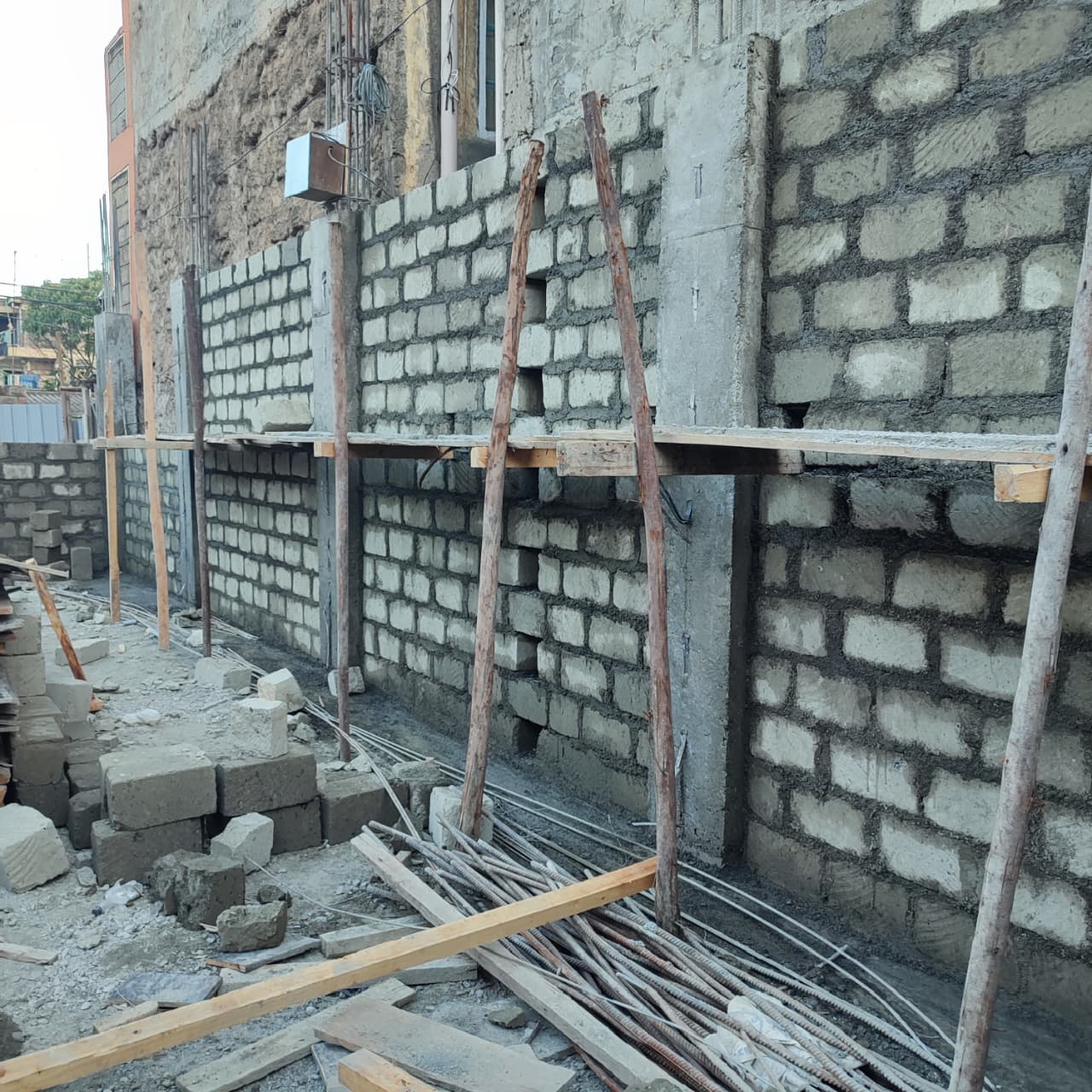
Solar installed during construction is cheaper and neater than solar retrofitted afterwards. Conduit, roof penetrations, structural provision and switchgear space can all be designed in while they cost almost nothing to accommodate.
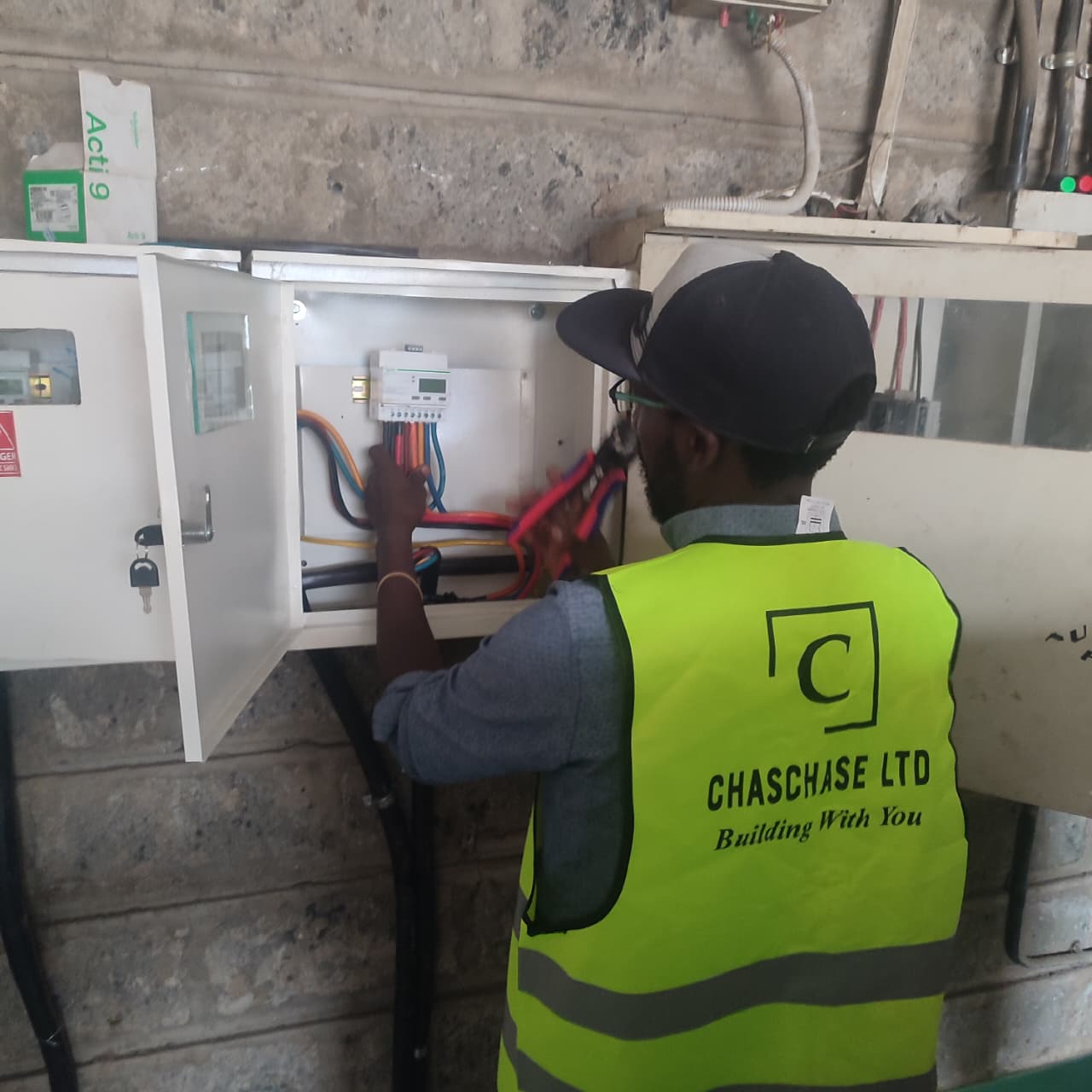
This is one of the clearest advantages of appointing a contractor who handles both building works and electrical and solar installation — the coordination happens inside one team instead of across three contracts.
Verify, then maintain
Commissioning records, as-built drawings and a monitoring dashboard turn an installation into an asset you can manage. Panel cleaning, connection checks and inverter servicing keep output where it should be — Nairobi dust alone can measurably reduce yield between cleans.